
The Marriage of Figaro remains one of the most brilliantly constructed comedies ever written, and Oxford Opera’s new production reminds you exactly why.
Indeed, Mozart, one suspects, would have been entirely at home at Oxford Playhouse last night, delighting in the fact that this tale of mischief, farce, romance, jealousy, mistaken identity and revenge, still lands with such an impact.
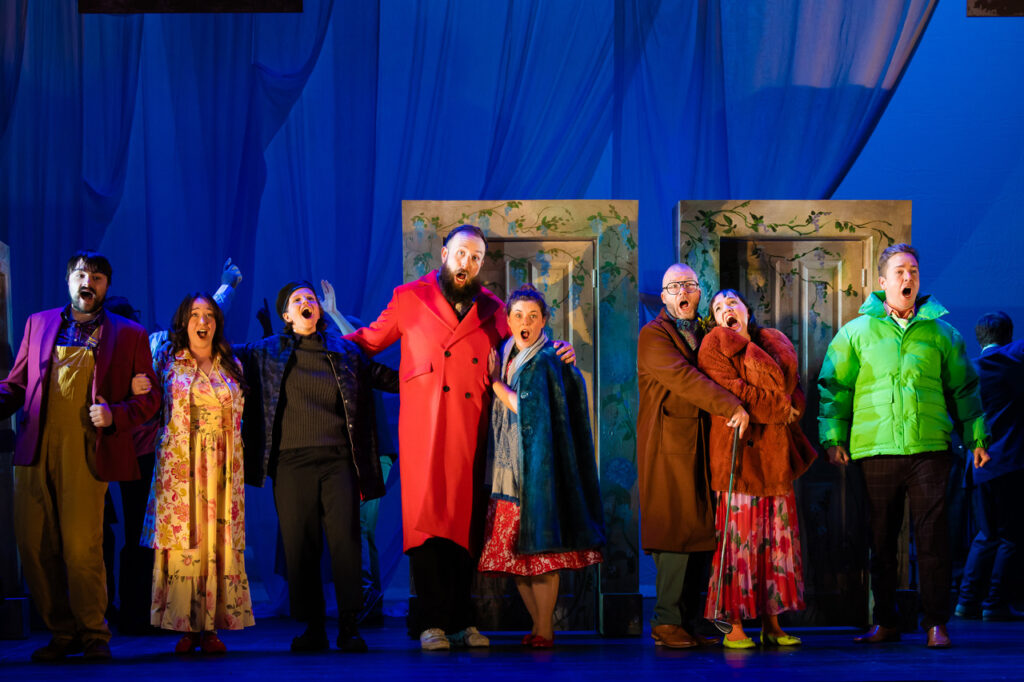
It is worth pausing to remember how dangerous this story was judged as. Louis XVI kept it off the Paris stage for years, recognising it immediately as an attack on aristocratic privilege. Emperor Joseph II banned it in Vienna, and Mozart and his librettist Da Ponte only gained permission for their opera in 1786, Napoleon later describing the play as the Revolution already in action.
‘Mozart, one suspects, would have been entirely at home at Oxford Playhouse, delighting in the fact that this tale of mischief, farce, romance, jealousy, mistaken identity and revenge, still lands with such an impact’
Now that the furore has died down, The Marriage of Figaro still unfolds over a single chaotic day as servants Figaro and Susanna get married, foiling the efforts of their philandering employer Count Almaviva to seduce Susanna.
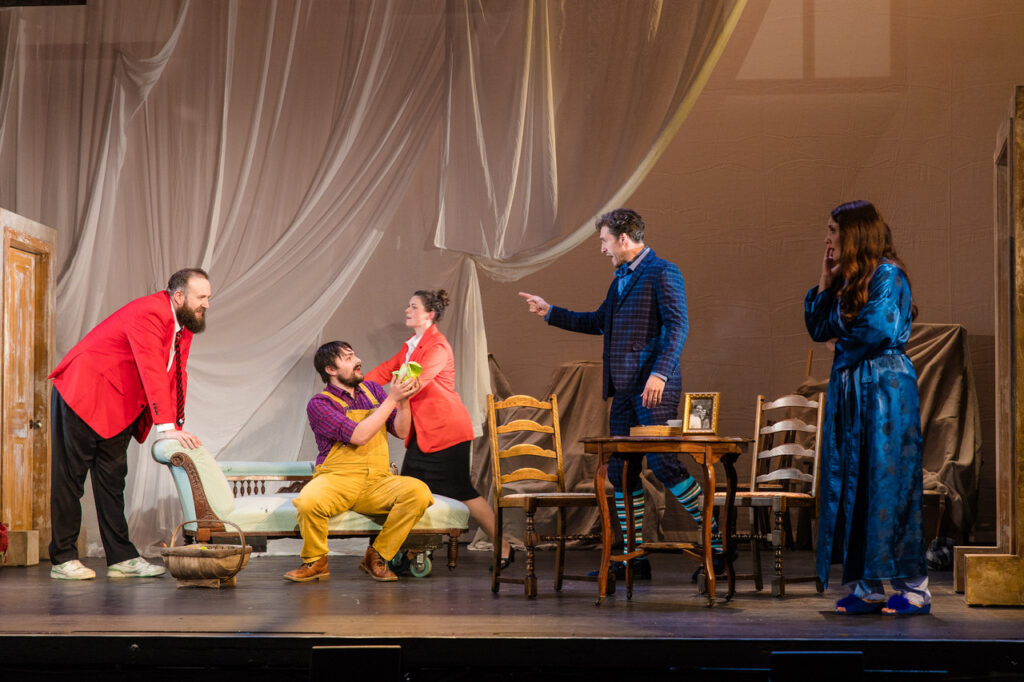
Two centuries on, its questions of power and entitlement have lost none of their sting. What strikes you afresh however, while watching Oxford Opera’s production, is how thoroughly the women drive the story. It is the Countess, Susanna and Marcellina who scheme with genuine wit, and who ultimately bring the Count to his knees while the men are largely oblivious. Mozart, it turns out, was ahead of his time in more ways than one.
director Katie Blackwell zones in on the opera’s vivid sense of place
Director Katie Blackwell‘s Almavivas are aristocrats fallen on hard times, their grand house thrown open to guests and visitors to keep the roof over their heads, zoning in on the opera’s vivid sense of place.
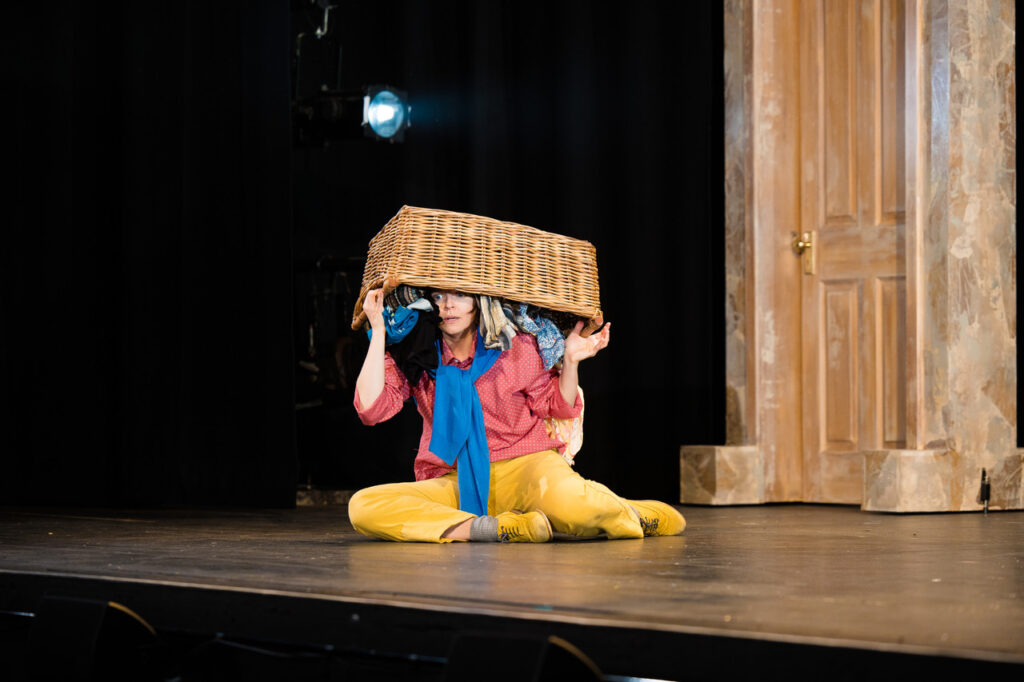
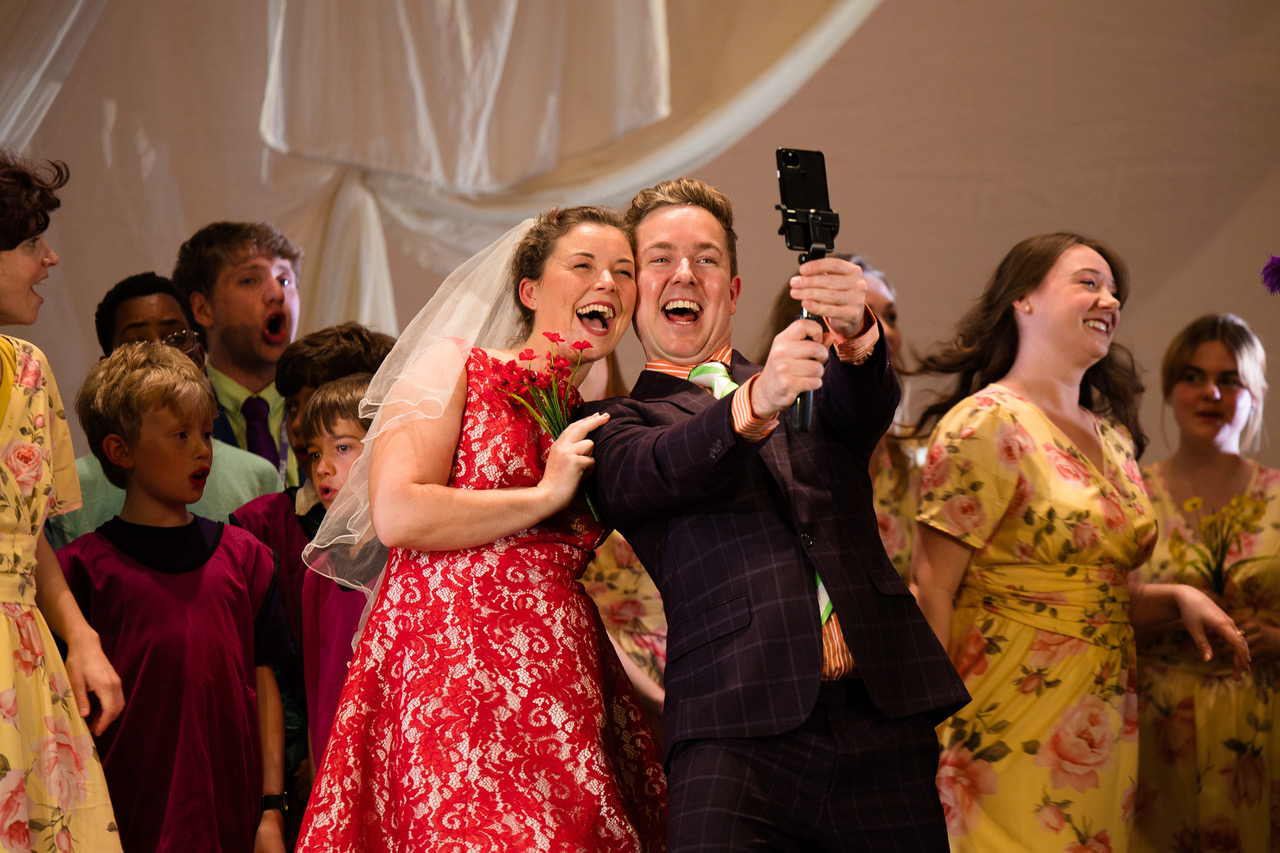
The result is pure British farce, as doors flatly refuse to open, others flung wide at exactly the wrong moment, secrets tumbling out and servants running rings around their masters. Beneath the slapstick, though, is a family in genuine crisis, and Blackwell balances the two realities with real nuance and a large dose of fun.
The greatest revelation however was George Robarts’ new English translation, his rhyming couplets quick, bawdy, funny and thoroughly contemporary, while maintaining its innocence. Passages of spoken dialogue between the arias further decipher it for a modern audience.
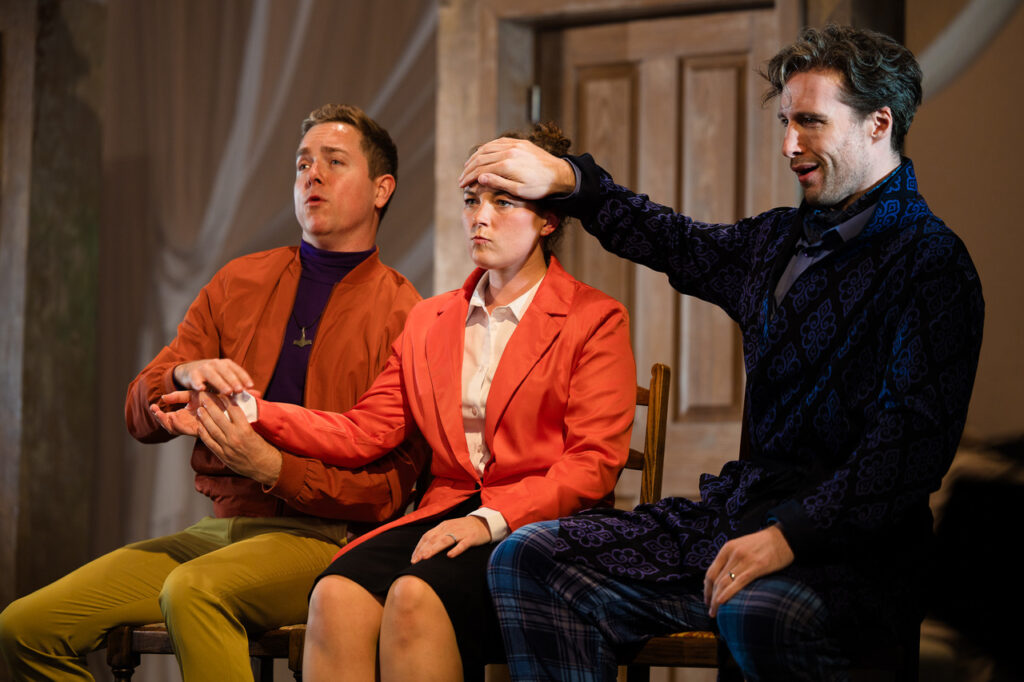
Emma Turner’s set was every bit as inventive, conjuring the bustle of a busy household with a minimal and multi-tasking set, while Fred Broom’s costumes told the story instantly.
The greatest revelation was George Robarts’ new English translation
The Count and Countess were unmistakably noble. Figaro and Susanna’s bright blazers recalling Butlins’ redcoats, their energy and humour written into the fabric.
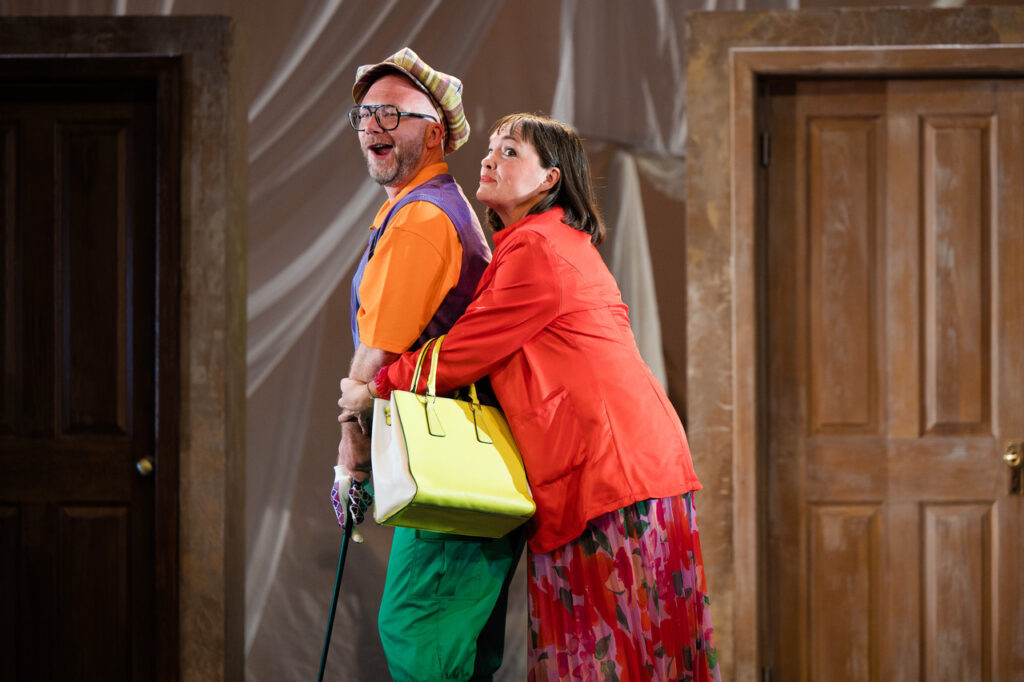
Gabriella Giulietta Noble’s Cherubino was however the star of the night. Her singing was quite extraordinary; clear, beautifully in time with the orchestra, and her physicality ensured that the audience fell for her at once.
Gabriella Giulietta Noble’s Cherubino was the star of the night
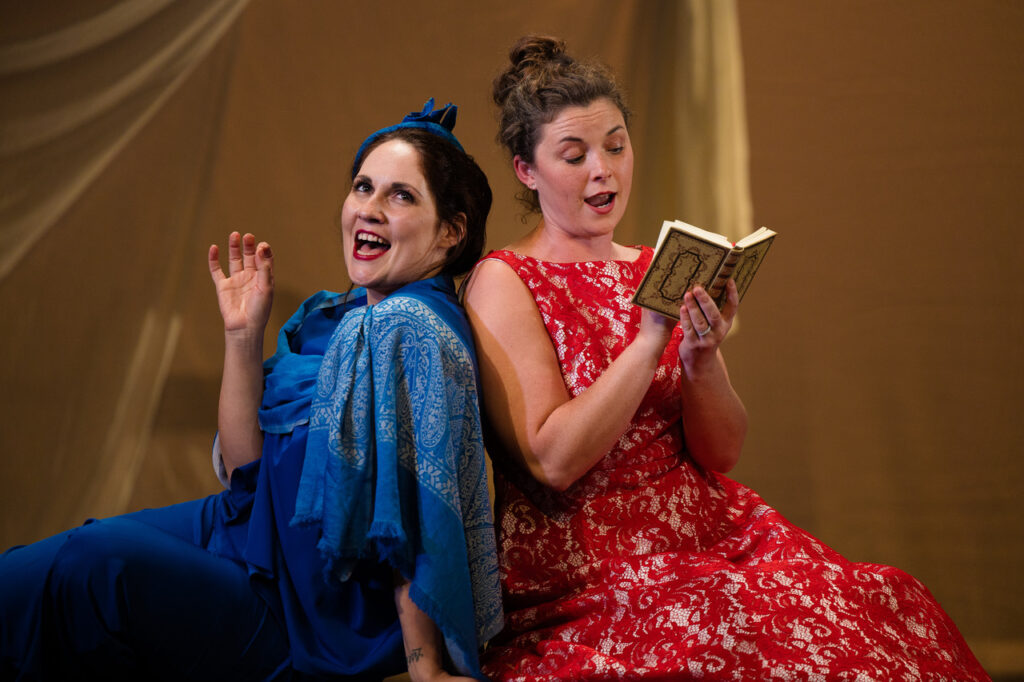
Rachel Speirs was a standout Susanna, warm and intelligent in equal measure, her sparring with Rebeca Afonwy-Jones’ Marcellina a highlight of the evening. In turn, Afonwy-Jones’ tremendous comic relish and her scenes with Frazer Scott’s wonderfully pompous golfer Bartolo were utterly joyful, lighting up the stage.
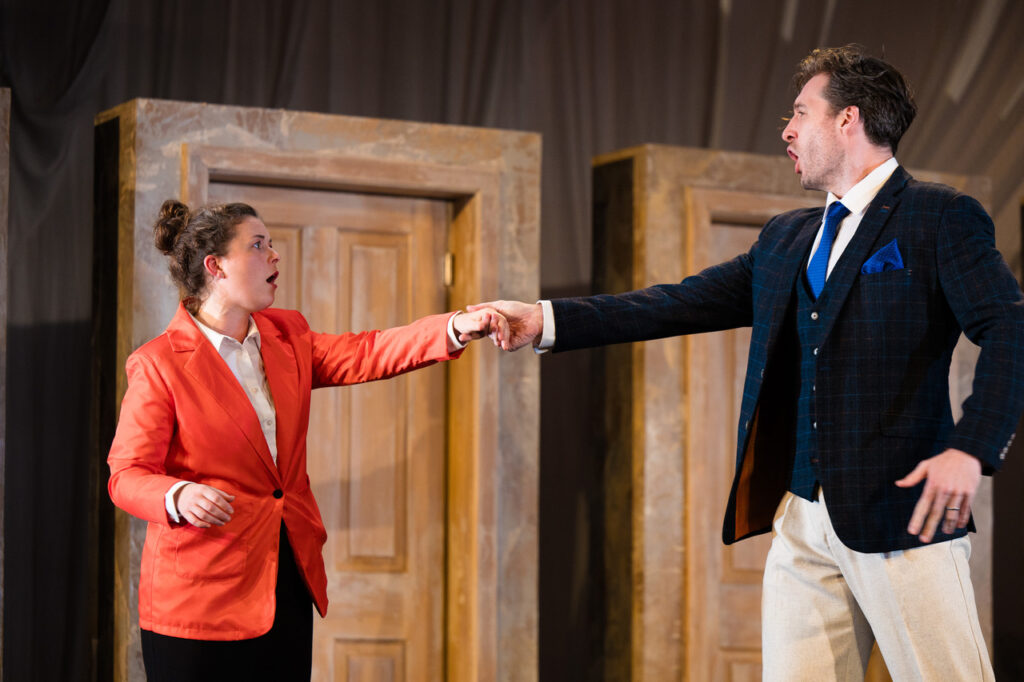
Rachel’s chemistry with Hugo Herman-Wilson’s Figaro was another genuine delight. And while Herman-Wilson’s beautiful baritone did not always carry to the back of the Playhouse, his charisma and comic instinct more than compensated, and his company was infectious.
Rachel speirs‘ chemistry with Hugo Herman-Wilson’s Figaro was another genuine delight
Nikolett Mráz brought a lovely lyrical warmth to the Countess, conveying her sadness without allowing her to seem defeated. Jack Holton’s Count was less odious than usual instead playing him as attractive, lecherous, arrogant and wholly blind to his wife’s love until the very end, but not an absolute villain. He is plainly one to watch.
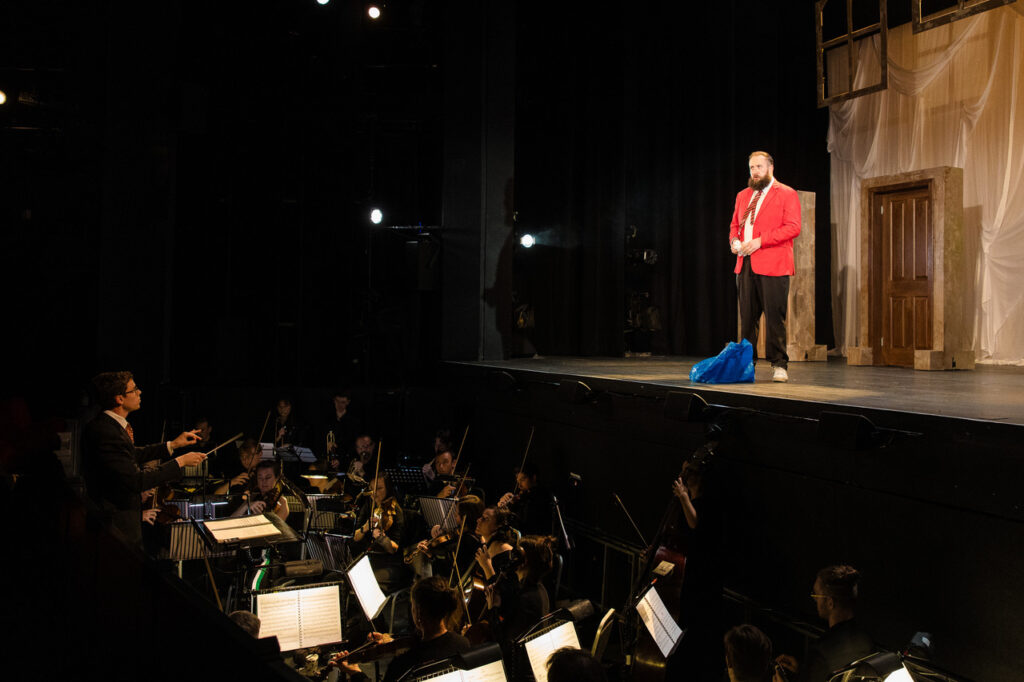
Under conductor John Warner, the orchestra was terrific, the synergy between pit and stage palpable as they found their feet.
the opening Overture never fails to amaze and astound, the power of Mozart’s brilliance captured in those few minutes
Musically, the opening Overture never fails to amaze and astound, the power of Mozart’s brilliance captured in those few minutes, the spirited delivery running throughout the production, the audience engaged from first scene to the last, the ensuing applause rightly long and heartfelt.
Speaking during the interval, Artistic Director Stuart Pendred explained that the company’s ambition is to bring opera to the people of Oxford. Opera, he said, is for everyone. That belief is visible in everything Oxford Opera does and judging by the diverse audience at Oxford Playhouse, it’s working, this production offering a new appreciation for what the art form can do when it truly wants to speak to everyone in the room.
Oxford is fortunate to have this company. Bravo all round.
Catherine Davies
The Marriage of Figaro runs at the Oxford Playhouse until Saturday October 10. Book your tickets here