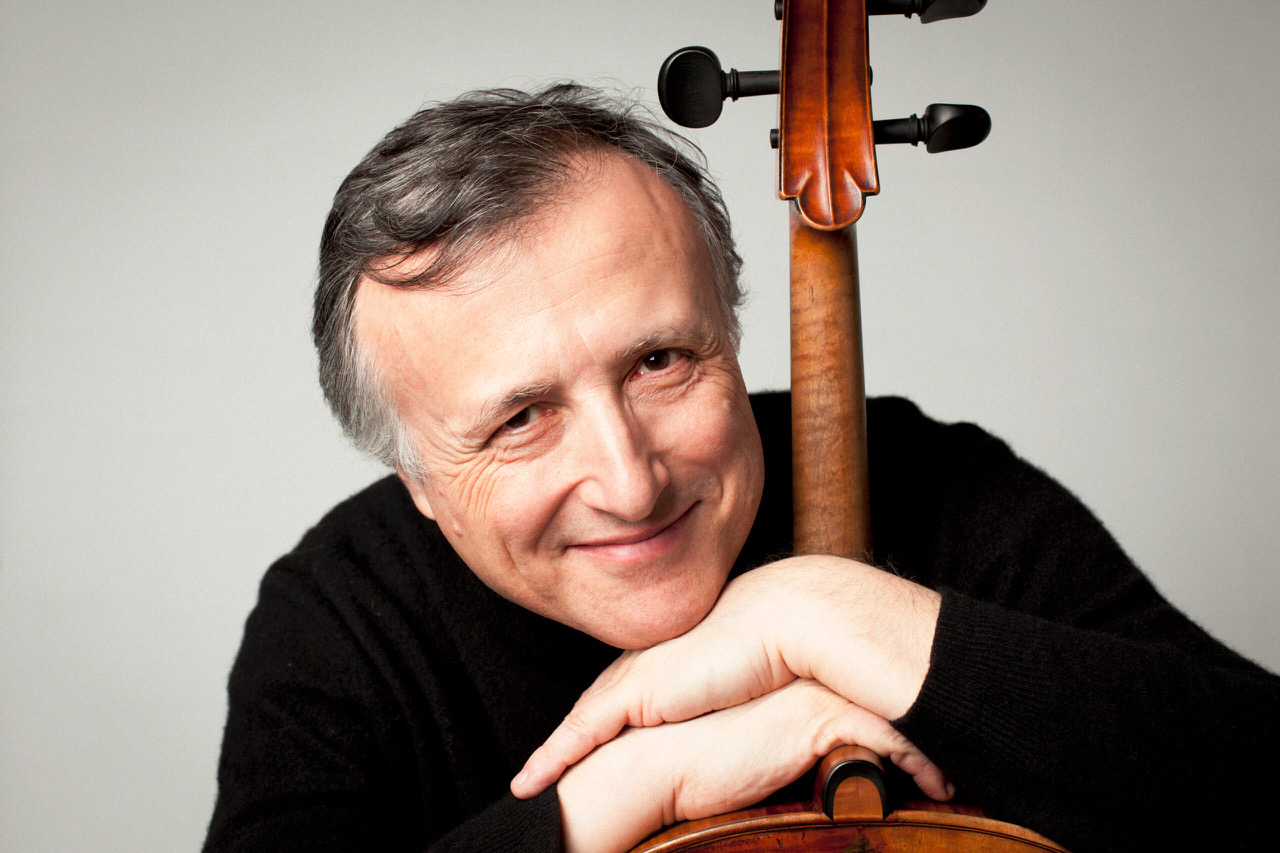

There are concerts that entertain and there are concerts that move you. Very rarely, there are concerts that change something in you, that send you home quieter, more thoughtful and more grateful simply to be alive. Music Composed in Auschwitz, performed by the Orchestra of St John’s at Dorchester Abbey recently, was emphatically the latter.
Those fortunate enough to have taken their seats in the Abbey’s ancient nave were rewarded with an evening of quite extraordinary power and tenderness – Dorchester Abbey, with its weight of centuries and its quality of sacred hush, could not have been a more fitting place for music born in the most harrowing of circumstances.
‘There are concerts that entertain, There are concerts that move, And then there are concerts that change something in you’
The centrepiece of the first half was something the programme couldn’t prepare you for. A recording was played of Anita Lasker-Wallfisch, cellist, Auschwitz survivor and mother of the evening’s own Raphael Wallfisch, speaking with a lucidity and composure that was itself humbling.
She is 100 years old and described with remarkable calm the strange duality of life in the camp’s orchestra: the musicians receiving small but preferential treatment, extra rations and a degree of protection, a fact that carried its own terrible moral weight. ‘You simply went day to day,’ she said. And then came Bergen-Belsen, where there was no music, where the silence was absolute and where so many perished.
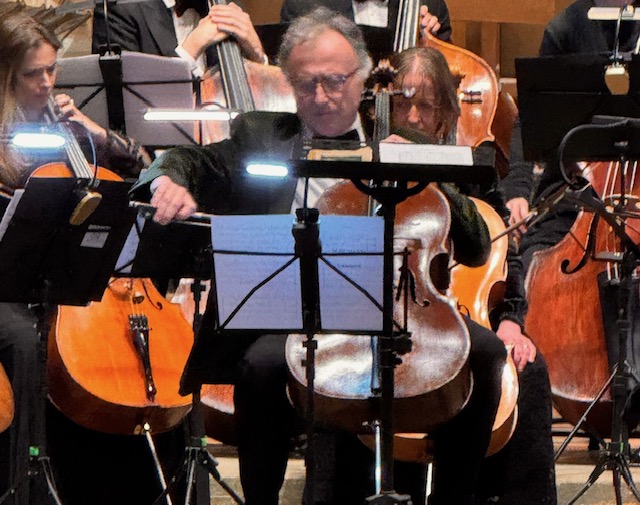
To hear her son Raphael Wallfisch play in that context, knowing what his family survived and that the cello has been both his inheritance and his act of continuity, was one of those rare moments when music and memory become inseparable. His playing throughout was magnificent: commanding, deeply felt and possessed of that particular quality of great cellists who seem to breathe through the music as much as play it.
‘To hear Raphael Wallfisch play his cello, knowing whose son he is and what his family endured, was one of those rare moments when music and memory become inseparable’
He was joined in a programme of extraordinary range and delicacy by Ilona Suomalainen on accordion, an instrument that in lesser hands might seem incongruous in such surroundings, but here felt entirely right, its voice by turns plaintive and warm, and by baritone Ed Ballard, whose presence and spoken words added a further dimension of human directness to the evening.
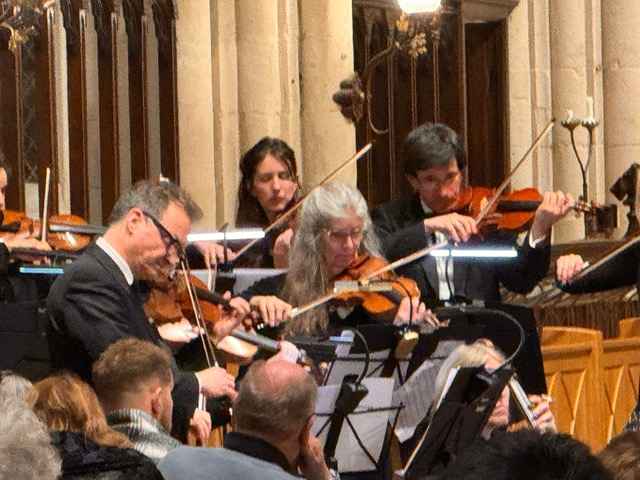
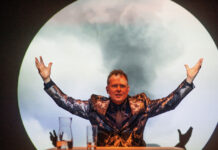
The first half was conducted and shaped by Leo Geyer, a young and gifted composer whose passion was evident. What distinguished his contribution was not merely the baton, though he was assured and sensitive in equal measure, but the way he spoke between pieces: softly, thoughtfully and ferverously as he described the journey of recovering these lost pieces and bringing them forward from the darkness of history into the light of a new understanding. It was in the truest sense a labour of love.
‘Leo Geyer spoke between pieces with the fervour of someone who has given himself wholly to an act of musical archaeology – a labour of love in the truest sense’
The programme wove together pieces of great variety: Blackbird, Ausvicate Hi Kher Baro, the tender Kolysanka Lullaby, the elegiac Daremne Żale and Chopin’s Tristesse, each one carrying its own particular weight of longing. But it was Bloch’s From Jewish Life that stopped the room entirely. Brief, folk-like and stripped to its essence, it arrived with a quiet truthful intensity. Stunning and peaceful, it felt like a testimony.
After the interval the baton passed to John Lubbock OBE whose conducting was up to his usual, brilliant standard, and as exceptional as always.
The Strauss Metamorphosen on Strings closed a contemplative evening and was, in a word, magnificent. Composed in 1945 as Germany collapsed around him, it is one of the great elegies of Western music: a sustained meditation on loss, the destruction of beauty and the terrible distance between what civilisation so often becomes.
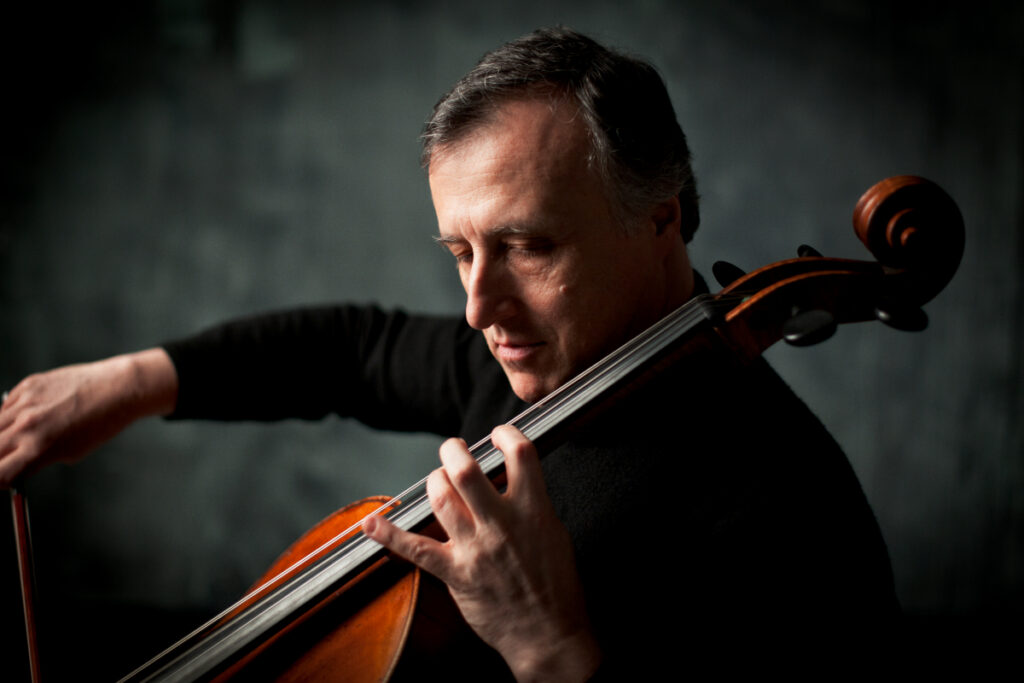
OSJ played it with a muscular lucidity that was genuinely thrilling, the cello sections in particular were vigorous and aching in equal measure and led with absolute authority throughout, the lead violin was exceptional and the whole piece moved with the kind of gathered inexorable momentum that only comes when every musician in the room understands exactly why they are there.
It was the perfect and shattering conclusion to an evening that had asked a great deal of its audience and given back even more, which is the mark of truly great music-making.
‘What Orchestra of St John’s continues to demonstrate, season after season, is that classical music at its finest is never merely entertainment’
What Orchestra of St John’s continues to demonstrate, season after season, is that classical music at its finest is never merely entertainment. It is witness. It is remembrance. It is the insistence, in the face of every evidence to the contrary, that beauty matters and that human beings are capable of it even in conditions of unimaginable horror. On a spring evening in Dorchester Abbey, surrounded by the stones of centuries, that truth rang out with absolute clarity.
Catherine Davies
So book now for the rest of the summer season:
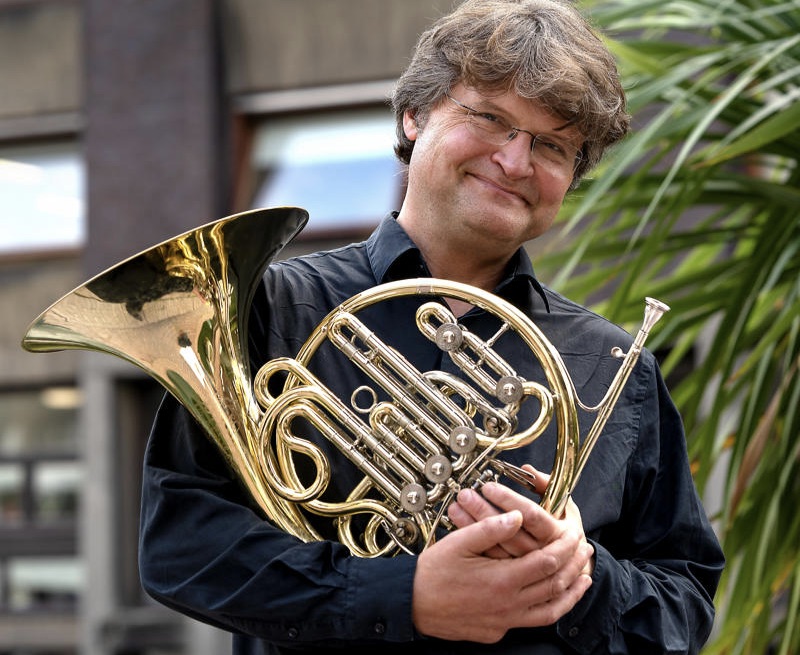
It’s MOZART‘s turn next as Nicholas Korth (horn), Jan Schmolck (violin) and Roger Chase (viola) bring a vibrant selection of the composer’s most celebrated works to Dorchester Abbey on May 16. Alma Dei Creatoris is a sacred motet that serves as an offertory to the Virgin Mary. The Horn Concerto No 4 is a cheerful, virtuosic work composed for Mozart’s friend and horn player Joseph Leutgeb, while Veni, Sancte Spiritus is a medieval Latin hymn and prayer, and the evening concludes with the rich and complex The Sinfonia Concertantefor strings. BOOK HERE
And then Raphael Wallfisch is back with England And Empire at Dorchester Abbey on June 13. Expect Vaughan Williams’ Symphony No 5 – a serene and contemplative work often called the ‘Celestial City’, William Walton’s Crown Imperial, a grand orchestral march from the 1937 coronation of King George VI, and Elgar’s Cello Concerto written after WW1, in stark contrast to his earlier, more bombastic style. BOOK HERE
For further details on OSJ and its 2026 line-up go to https://www.osj.org.uk/forthcoming-concerts/