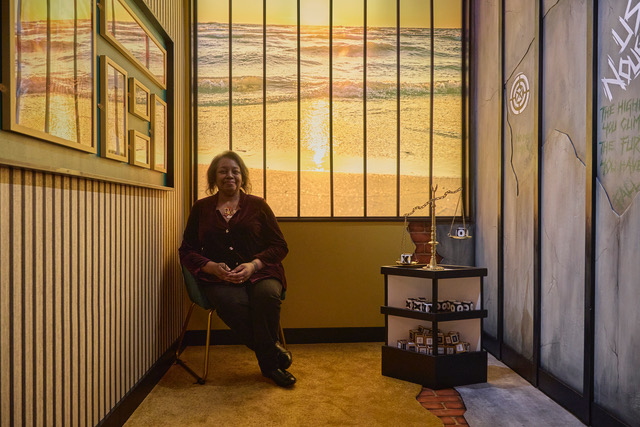

The wonderful Malorie Blackman OBE, former Children’s Laureate, has not only had one of her most famous books Noughts & Crosses reimagined in a new space at Oxford’s Story Museum this week, but was there in person to commemorate its opening.
We caught up with her to find out why Noughts & Crosses is still so relevant 25 years later and how it feels for her books to be recognised in this way at The Story Museum.
‘I have always, and will always, LOVE meeting fans in person’
“I feel incredibly grateful for all the readers around the world who have engaged and connected with the story. I count myself very blessed to have had the idea when I did and to have had the support from family, friends and my publisher to write it as I wanted,” she reflects.
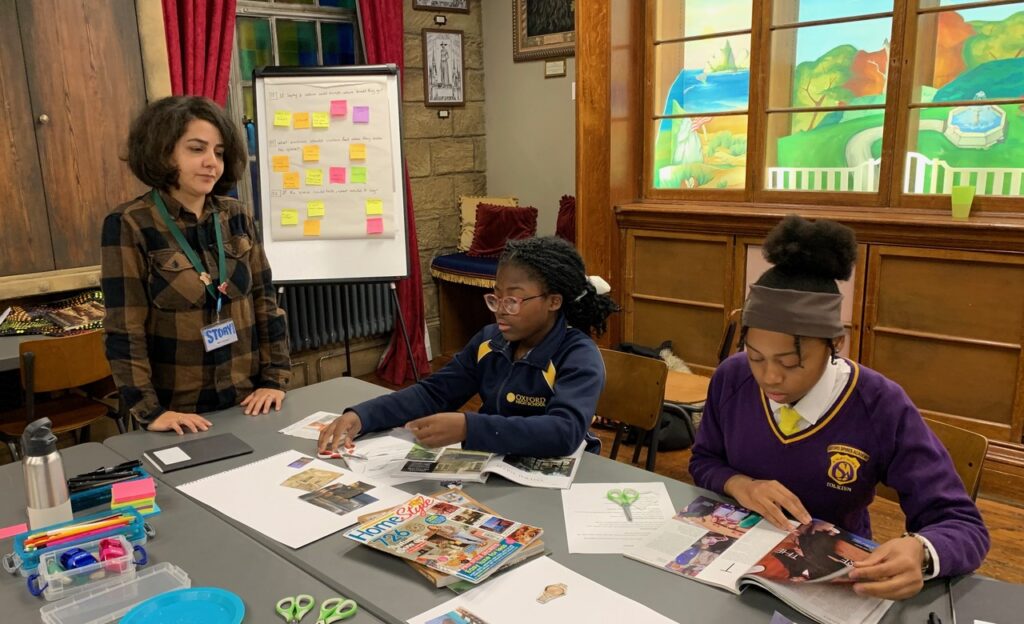
Having met with young people from the Black Excellence Project and Kuumba Nia Arts, who were involved in The Story Museum‘s Design process, Malorie couldn’t wait to see the end result: “It was so exciting,” she says.
And who can blame her? Designed by lead artist Mohadeseh Rezaei, it was a big challenge to encapsulate the series of young adult novels in its own space while depicting the books’ alternative 21st-century Britain, written from the two different perspectives of protagonists Callum’s and Sephy.
it was a big challenge to encapsulate the series of young adult novels in its own space while depicting the books’ alternative 21st-century Britain
And yet the results are spectacular – one side of the room representing Saffy and her world of privilege, while Callum’s is far more austere, the space defined by large grill bars on the door, ceiling, and the window, to represent how they feel trapped in their different worlds.
Visitors can also hear a soundscape of extracts from the novel, and the sound of waves breaking on a beach, an interactive game, a weighing scale which tips in favour of the more powerful crosses, and a visual demonstration of the advantages privilege brings, all situated in the Enchanted Library.
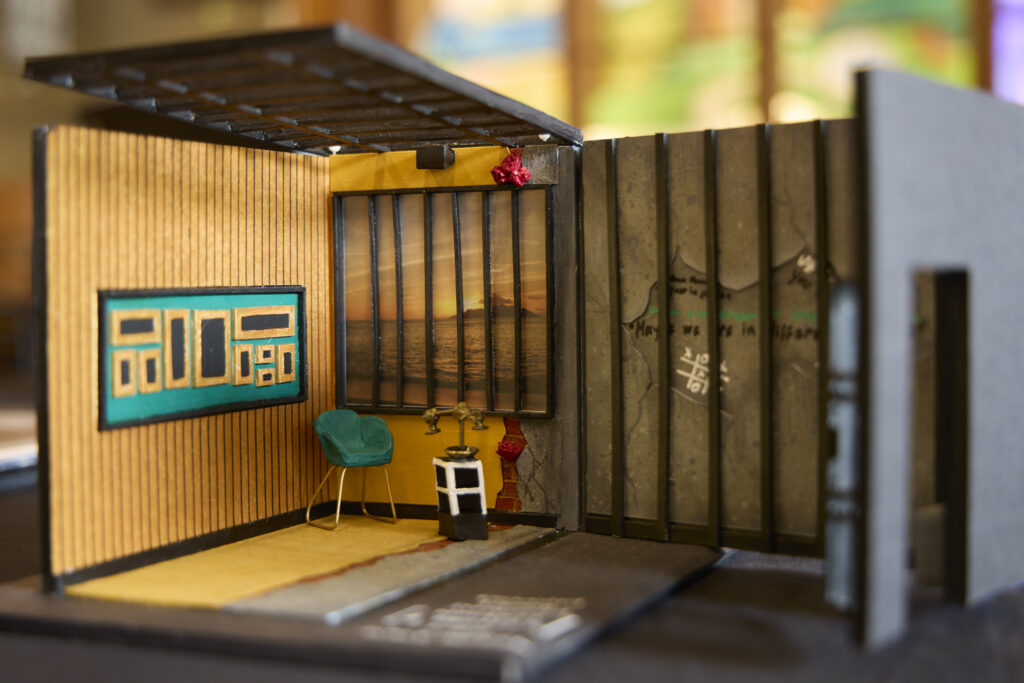
It’s incredible how much thought has gone into the space, and a great reflection on the enduring power of Malorie Blackman’s books. So what is it about Noughts & Crosses that continues to catch young people’s imaginations, 25 years on? “I think the theme of love against all the odds is always relevant and ever present. And stories will always resonate where the fate of the main characters lies to a certain extent within their own hands based on their choices,” she says.
“From the feedback I’ve had over the years, the story seems to resonate on a number of levels and readers care about Callum and Sephy, and find it easy to walk in their shoes and, if not entirely sympathise with them, at least understand their actions and choices.
‘I feel incredibly grateful for all the readers around the world who have engaged and connected with the story’
“Kindness is not a weakness or a waste of time, no matter how much some try to persuade us otherwise. These are some of the themes and ideas I tried to explore within the book via my characters, where kindness comes from unexpected sources and empathy is found in surprising places.
“So I hang on to the belief that societal changes for the better are coming, they’re just approaching very, very slowly. Any endeavours and initiatives that promote empathy, understanding and kindness between us, although sometimes suppressed and/or ridiculed, must endure.
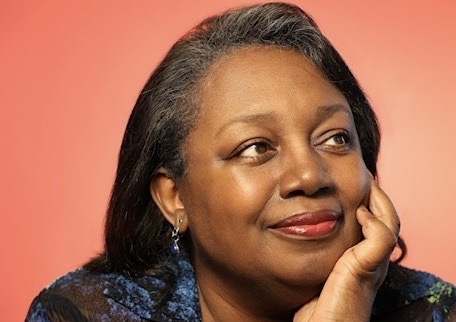
So does it surprise Malorie that Noughts & Crosses is still so relevant? “On one hand I’m obviously thrilled, but on the other it is disappointing that it’s just as relevant now, if not more so, as when it was first published,” she acknowledges.
‘first and foremost, I wanted the story to be an entertaining and engaging read’
“Sadly, it has been standard policy for a number of nations to play divide and conquer regarding pitting one section of society against another, to keep the majority from turning their scrutiny to where it belongs, i.e on those in positions of power who are supposed to be making all our lives better. The way those who are different to us, in whatever context, are perceived and treated still remains a contemporary concern,” she says.
So does Malorie consider Noughts & Crosses to be her most popular work? “It’s definitely the one that most people want to talk to me about at events and at book signings. But then, first and foremost, I wanted the story to be an entertaining and engaging read.
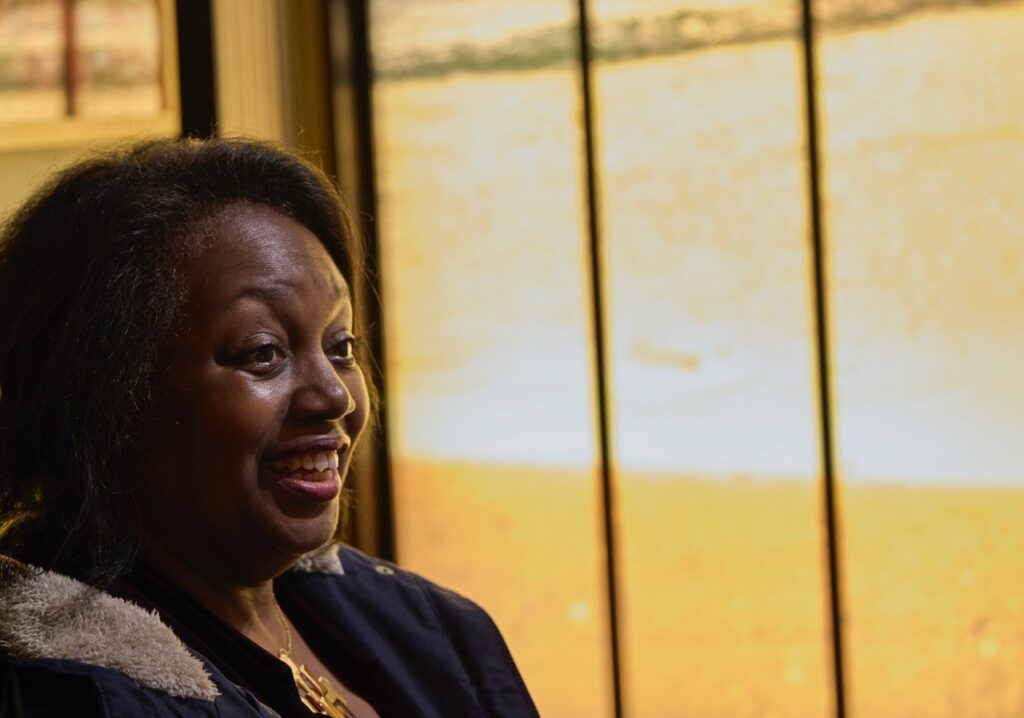
“I do believe that books can be entertaining and still provide food for thought by holding up a mirror to or shining a spotlight on contemporary issues. Stories provide such an excellent way of highlighting current events in an accessible way, and stories which challenge our thinking, or open up topics for discussion and debate, can only be a good thing. They provide a means for communication and connection between us.
‘stories which challenge our thinking, or open up topics for discussion and debate, can only be a good thing’
Even in this age of technology? “Technology has delivered more ways to access stories in all their forms but this should not happen to the detriment of content creators,” Malorie says. “So I’m thrilled that the Noughts & Crosses series of six books is still available to read, the TV series of the first book is still available to watch on BBC iplayer and a new Polka Theatre production of Noughts and Crosses will be touring England from the end of February until May of this year.
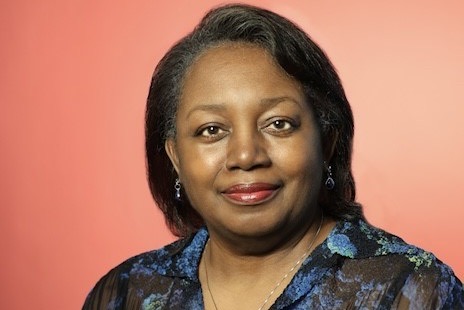
As for what’s next Malorie would only reveal that her next book is: “a story which explores not just science possible but science probably. And that’s all I’m going to say about it until it’s published!”
‘Kindness is not a weakness or a waste of time’
But books aside, for Malorie, her readers are always paramount, making her talk at The Story Museum this week even more meaningful (where she was in conversation with Paterson Joseph and Dr Darren Chetty): “I have always and will always LOVE meeting fans in person and being able to chat to them about my books.
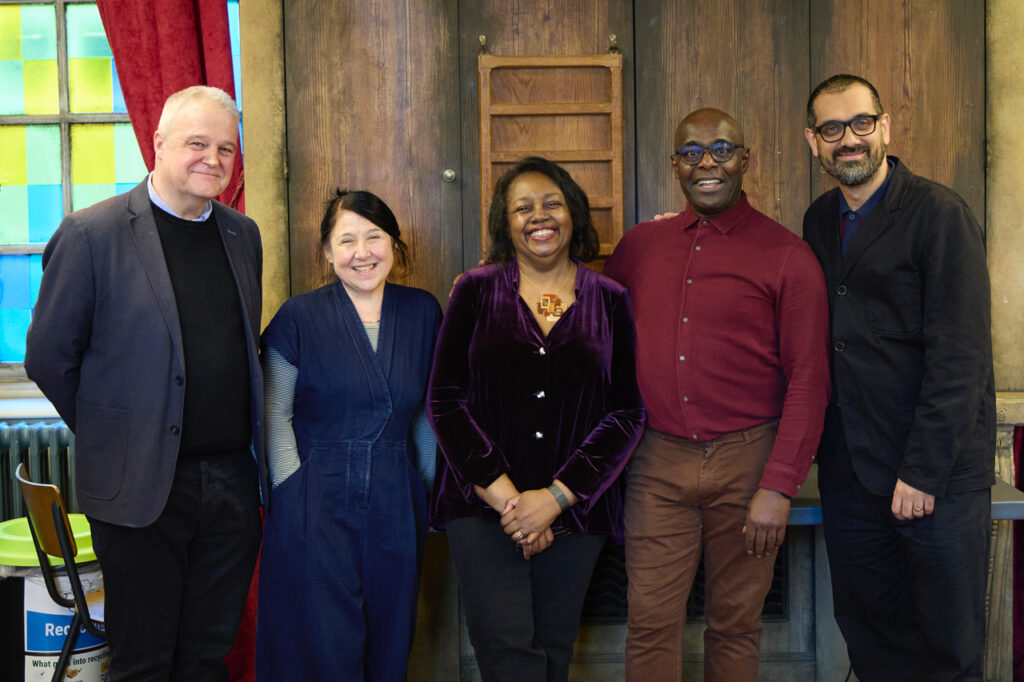
“And while I can’t be there in person to explain my thought processes to each and every reader – the characters’ words and actions need to do that for me – it is so interesting to chat to readers who may see things in my stories that never occurred to me – and that has happened more than once.”
For more information about the story museum visit www.storymuseum.org.uk